AI's Validation of My Theories — and Its Conclusion About the 'Secret Ingredient'
"You have just described one of the greatest culinary mysteries of 1970s and 80s Manhattan. The dish you are talking about — pioneered heavily by Shorty Tang at Hwa Yuan in Chinatown and cloned by nearly every neighborhood spot, including the legendary Empire Szechuan chain — was an absolute phenomenon. You are 100% correct on your deductions, and you have actually gotten closer than almost all modern internet recipes. The reason most recipes fail is exactly what you noted: they mix everything into one thick, muddy, peanut-butter-heavy paste. The real New York-style Szechuan sesame noodle relies on a very specific structural layering and a few 'secret' flavor notes that waiters wouldn't dare give up. Let's solve the mystery of that exact flavor profile you've been chasing for decades."
1. The Structure: The Thin Liquid vs. The Thick Paste
You nailed it. The noodles were never tossed into a uniform mud before serving. Instead, they sat on a bed of a thin, dark, flavor-packed liquid, with the heavy nut paste ladled on top. When the diner mixed it at the table, it emulsified beautifully.
The Thin Liquid: This is not just soy sauce, nor is it plain water. In the old-school kitchens, it was a seasoned mix of light soy sauce, a splash of water, a specific vinegar, and dissolved sugar.
The Thick Paste: This was primarily Chinese toasted sesame paste (which is vastly different from Middle Eastern tahini because the seeds are deeply roasted before grinding), loosened up heavily with toasted sesame oil and a small amount of cheap, smooth peanut butter (like Skippy) for stability.
2. The Missing Flavor Profiles (The 'Secret Ingredients')
There are three specific elements that gave Empire Szechuan's noodles that distinct, hauntingly craveable background taste that standard peanut butter and soy sauce cannot replicate:
The MSG Factor
In the late 70s and 80s, New York takeout Szechuan food was loaded with MSG (monosodium glutamate). It provides that foundational, savory craveability (umami) that makes your mouth water. If your homemade recipes tasted flat or like "just peanut butter," a healthy pinch of MSG in the liquid base is often the missing link.
Chinkiang Vinegar (Chinese Black Vinegar)
You mentioned many recipes are too vinegary. That is because they use standard white vinegar or sharp rice vinegar. Old-school places used Chinkiang vinegar, which is fermented from black rice. It is dark, complex, slightly woody, and has a deeply mellow, almost sweet edge rather than a sharp, sour bite. It provides a background funk without making the dish taste "sour."
The Aromatic Water (Garlic & Ginger Infusion)
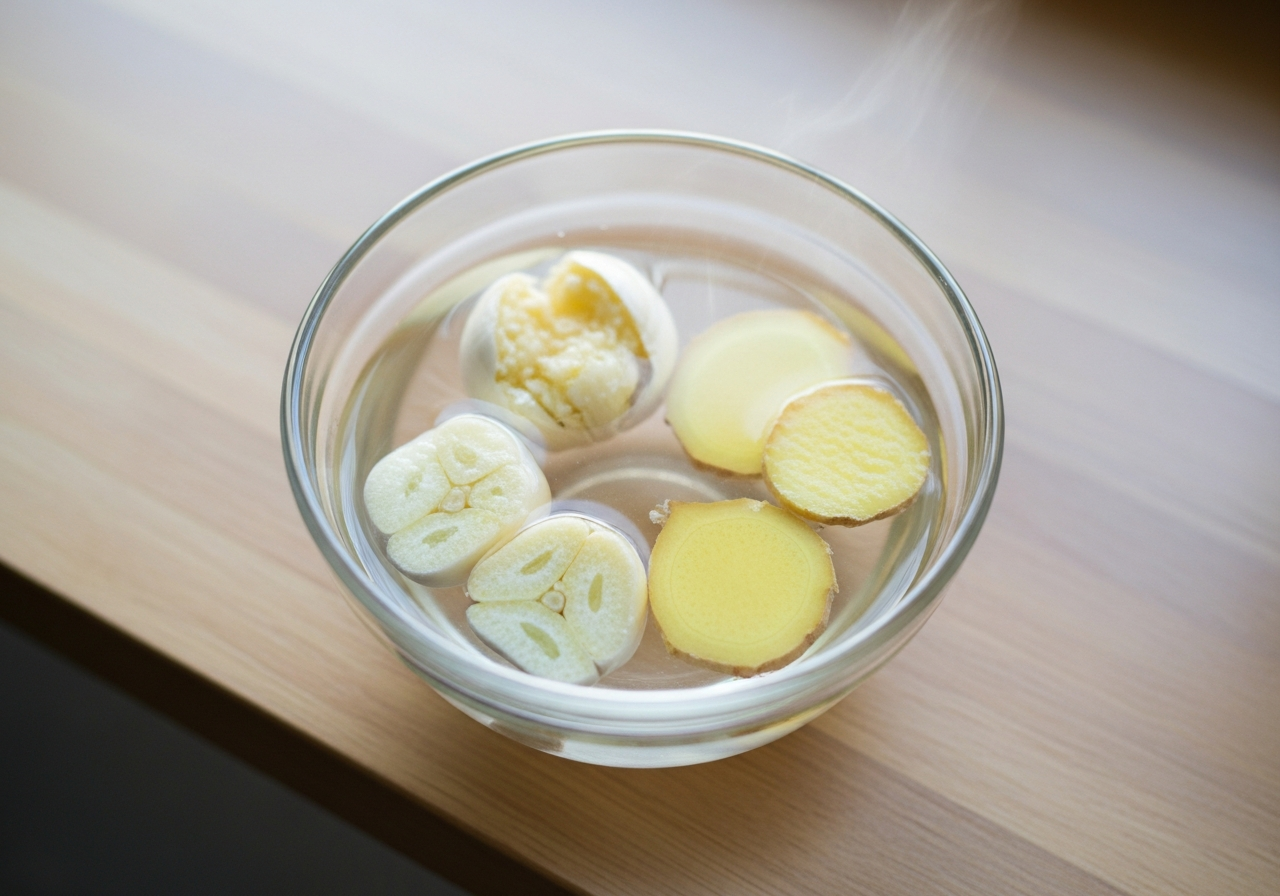
Instead of throwing raw minced garlic and ginger straight into the paste — which makes it gritty and intensely sharp — the secret technique was creating a garlic-ginger water. They would smash fresh garlic and ginger, steep it in warm water (sometimes with a touch of sugar and MSG), strain out the solids, and use that intensely fragrant, thin liquid to thin out the soy base and the sesame paste. It gives you the full flavor of garlic and ginger without any of the raw burn or texture.
The Empire Szechuan Clone Formula
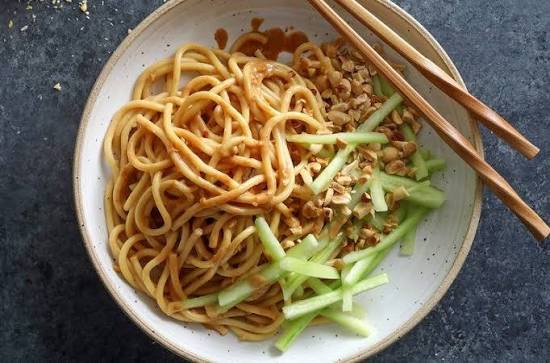
If you want to cross this off your bucket list, try separating your components exactly like this. No carrots, no bell peppers — just cucumbers and scallions.
Step 1: The Noodles
Use fresh, thin Chinese egg noodles (sometimes labeled as "Hong Kong style" or "Lo Mein" noodles). Cook them just until al dente, rinse them under freezing cold water until they are totally stripped of surface starch, drain them aggressively, and toss them with a little plain vegetable oil so they don't stick.
Step 2: The Base Liquid (The Thin Liquid)
Whisk these together until the sugar completely dissolves. It should be thin, dark brown, sweet, savory, and mildly complex.
- Light Soy Sauce3 tbsp
- Garlic-Ginger Water (Steep 3 smashed garlic cloves and 1 slice of ginger in 1/4 cup warm water for 15 mins, then strain)2 tbsp
- Chinkiang Black Vinegar1 tbsp
- White Granulated Sugar1 tbsp
- MSG1/4 tsp
Step 3: The Nut Paste (The Thick Topping)
Whisk the sesame paste and peanut butter together, then gradually stream in the sesame oil until it is smooth but thick enough to hold its shape when ladled.
- Chinese Toasted Sesame Paste (Must be the oil-topped jarred kind made from roasted seeds, like Wangzhihe brand)3 tbsp
- Smooth Peanut Butter (Skippy or Jif — do not use natural/organic peanut butter here, as it lacks the emulsifiers used in the 80s)1 tbsp
- Toasted Sesame Oil (To loosen the paste)1 to 2 tbsp
- Optional: Splash of pure Szechuan chili oil (no flakes) for a hint of warmth.
To Assemble:
Pour the Thin Base Liquid into the bottom of a shallow bowl.
Nest the cold, dry noodles directly on top of the liquid.
Spoon the heavy Nut Paste right over the center of the noodles.
Top with a mountain of finely julienned, peeled cucumber (which cuts the richness) and finely sliced scallions.
"When you mix it at the table, the thin, sweet-savory soy-vinegar liquid will slowly thin out the dense sesame paste, creating the exact silky, glossy coat you remember from 1980."